Whether you’re new to event planning or you’re a seasoned professional, an event checklist can help you reduce stress and delight attendees with an exceptional experience. We’ve identified twelve simple steps to the event-planning process that you can follow to execute a successful event of any size for any industry.
1. Set a Purpose & Goal
Why are you hosting this event? How many people do you want to sign up and attend? How much revenue do you want to make? Make sure to define specific, attainable objectives and the time frame in which you want to achieve them.
2. Define Your Target Audience
Who do you want to attend your event? Be as specific as possible, including their demographics, behaviors, and interests.
3. Set Your Budget
Based on your goals, how much are you willing or able to spend on your event? Setting a budget early in the process will help you make important decisions regarding the location, schedule, and pricing.
4. Choose an Event Theme
What type of theme will help you attract attendees? Consider how your theme will impact the marketing, decor, and entertainment for your event.
5. Set the Time, Date, & Location
Consider your audience and theme carefully as you choose a time and location for your event. Be sure to check local event listings and sports schedules to make sure your event does not conflict with another activity your target audience will be attending. When selecting a venue, think about travel times to the location, availability of public transportation, parking, and the fit with your theme.
6. Define Your Event Schedule
Tell attendees what to expect at your event. Will there be entertainment or scheduled activities? Will they have free time to network or chat with fellow attendees? Create a schedule outline that you can share with attendees before and after they sign up.
7. Set Up Online Registration & Pricing
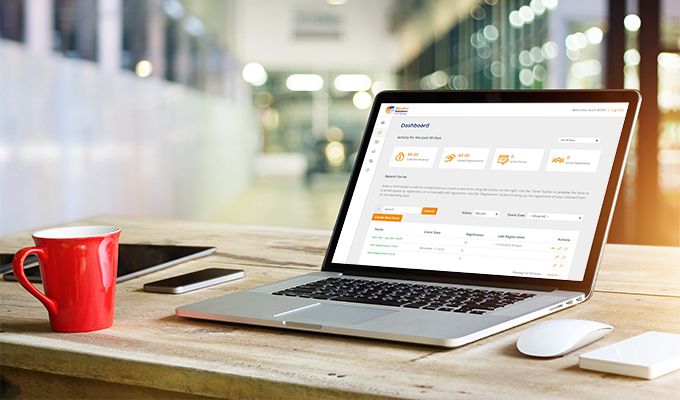
With your budget and revenue goals in mind, set an appropriate price for your event. Create an online registration form that clearly communicates event details and pricing options. Collect contact information, permissions, and any information required to personalize the experience, such as age ranges for kids, t-shirt size, dietary preferences, premium options, and more.